Your Guide to Psychology’s Different Neighborhoods
I have a way to educate the mass on the topic major branches of psychology.Imagine psychology as a vast city. When I first started exploring, I felt completely lost – every street seemed to lead somewhere different, every neighborhood had its own language. Was I in “Clinical” or “Cognitive” territory? What even was “Neuropsychology”?
Today, I’ll be your guide through psychology’s main neighborhoods. We’ll visit each one, see what makes it unique, and discover why they’re all part of the same city of understanding human behavior.
Think of It Like This:
Major branches of psychology can be studied in different way. If psychology is studying “human behavior and mental processes,” then: 
-
Different branches = Different angles or focus areas
-
All branches = Connected parts of the same puzzle
-
No single branch = Has all the answers
The 8 Major Neighborhoods You Should Know
1. Clinical Psychology: The Healing District
What it is: Understanding, assessing, and treating mental health issues. 
Think of it as: The “therapy and wellness” neighborhood
Key questions they ask:
-
How can we reduce anxiety and depression?
-
What makes therapy effective?
-
How do we build resilience?
Real-world example: A clinical psychologist might help someone with social anxiety using Cognitive Behavioral Therapy (CBT), teaching them to recognize and challenge negative thought patterns.
2. Cognitive Psychology: The Thinking Quarter
What it is: one of the major branches of psychology. Studying mental processes like thinking, memory, and attention
Think of it as: The “how your mind works” neighborhood 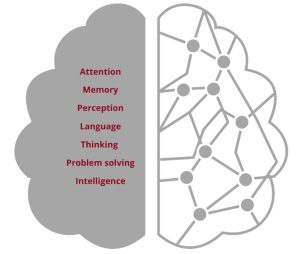
Key questions they ask:
-
How do we store and retrieve memories?
-
Why do we make certain thinking errors?
-
How does attention really work?
Real-world example: Research on “chunking” (breaking information into groups) helps students study more effectively by understanding how memory organizes information.
3. Developmental Psychology: The Growth Gardens
What it is: Examining how people change throughout their lives
Think of it as: The “from cradle to cane” neighborhood 
Key questions they ask:
-
How do infants form attachments?
-
What’s really happening in the teenage brain?
-
How does aging affect cognitive abilities?
Real-world example: Understanding that teenagers’ prefrontal cortex (decision-making area) is still developing helps parents have more patience with impulsive behaviors.
4. Social Psychology: The Community Commons
What it is: Exploring how people influence and are influenced by others
Think of it as: The “people together” neighborhood
Key questions they ask: 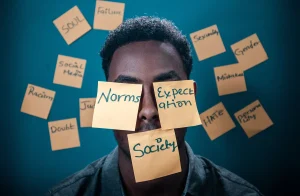
-
Why do we conform to groups?
-
What causes prejudice?
-
How do relationships form and change?
Real-world example: The bystander effect explains why sometimes more witnesses mean less help – because everyone assumes someone else will act.
5. Biological Psychology/Neuroscience: The Body-Mind Connection
What it is: Understanding the biological bases of behavior
Think of it as: The “brain and body” neighborhood 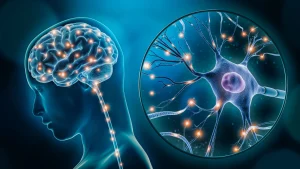
Key questions they ask:
-
How do neurotransmitters affect mood?
-
What brain areas control different functions?
-
How do hormones influence behavior?
Real-world example: Knowing that exercise increases serotonin and dopamine helps explain why physical activity improves mood.
6. Personality Psychology: The Individual’s Island
What it is: Studying enduring patterns of thoughts, feelings, and behaviors
Think of it as: The “what makes you unique” neighborhood
Key questions they ask: 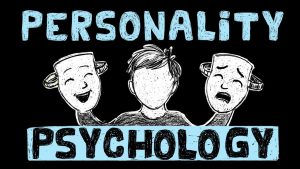
-
Are personality traits stable over time?
-
Nature vs. nurture in personality?
-
How do we measure personality?
Real-world example: The Big Five personality traits (Openness, Conscientiousness, Extraversion, Agreeableness, Neuroticism) help understand why people approach work, relationships, and challenges differently.
7. Industrial-Organizational Psychology: The Workplace Workshops
What it is: Applying psychology to work settings
Think of it as: The “job and organization” neighborhood 
Key questions they ask:
-
What makes effective leadership?
-
How can we reduce workplace stress?
-
What improves team dynamics?
Real-world example: Research on feedback shows that specific, timely feedback is more effective than vague annual reviews.
8. Educational Psychology: The Learning Labs
What it is: Understanding how people learn in educational settings
Think of it as: The “teaching and learning” neighborhood 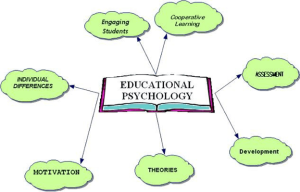
Key questions they ask:
-
What teaching methods work best?
-
How do different students learn?
-
What affects motivation to learn?
Real-world example: The concept of “growth mindset” (believing abilities can develop) has transformed how teachers praise students’ effort versus innate talent.
How They All Work Together: A Real Story
Let’s say we’re trying to understand procrastination:
-
Cognitive psychologist: Studies the thinking errors (“I work better under pressure”)
-
Clinical psychologist: Treats procrastination when it becomes debilitating
-
Social psychologist: Examines how peer pressure affects work habits
-
Biological psychologist: Researches dopamine’s role in motivation
-
Personality psychologist: Looks at traits like conscientiousness
-
I-O psychologist: Applies solutions in workplace settings
-
Educational psychologist: Helps students overcome academic procrastination
-
Developmental psychologist: Studies how procrastination patterns change with age
Your Major Branches of psychology Discovery Exercise
Try this for one week:
Day 1-2: Notice clinical psychology around you (mental health discussions, self-care practices)
Day 3-4: Observe cognitive psychology (your memory slips, attention shifts)
Day 5-6: Watch for social psychology (group behaviors, social influence)
Day 7: Reflect: Which branch most intrigues you?
Common Mix-Ups I Made (And How to Avoid Them)

-
“Clinical = Counseling = Psychiatry” – They overlap but have different training and approaches
-
“Social psychology is just common sense” – Actually, it often reveals counterintuitive truths
-
“Biological psychology explains everything” – Biology interacts with environment and experience
Why This Matters for Your Learning
Understanding the branches helps you:
-
Navigate information more effectively
-
Ask better questions when learning
-
Appreciate complexity – human behavior has multiple causes
-
Find your interests for deeper exploration
The Branch That Surprised Me Most
I initially thought industrial-organizational psychology would be dry and corporate-focused. Then I learned about research on meaningful work, workplace fairness, and how psychological safety in teams leads to innovation. It showed me psychology applies everywhere – even in places I hadn’t considered.
Your Psychology Passport

Think of yourself as a traveler in this psychology city. You don’t need to live permanently in one neighborhood. Wander through them all. Visit Clinical when you’re curious about mental health. Spend time in Cognitive when you want to understand your own thinking. Social psychology is perfect for understanding group dynamics.
Each visit gives you tools to understand different aspects of human experience.
Let’s Explore Together
This week, choose one “neighborhood” to consciously notice. Maybe it’s developmental psychology – observe how children of different ages communicate, or how older adults approach problems differently. Or try social psychology – notice conformity in your friend group, or how people behave differently in crowds versus alone.
Share in the comments: Which psychological neighborhood feels most familiar to you already? Which one are you curious to explore next?